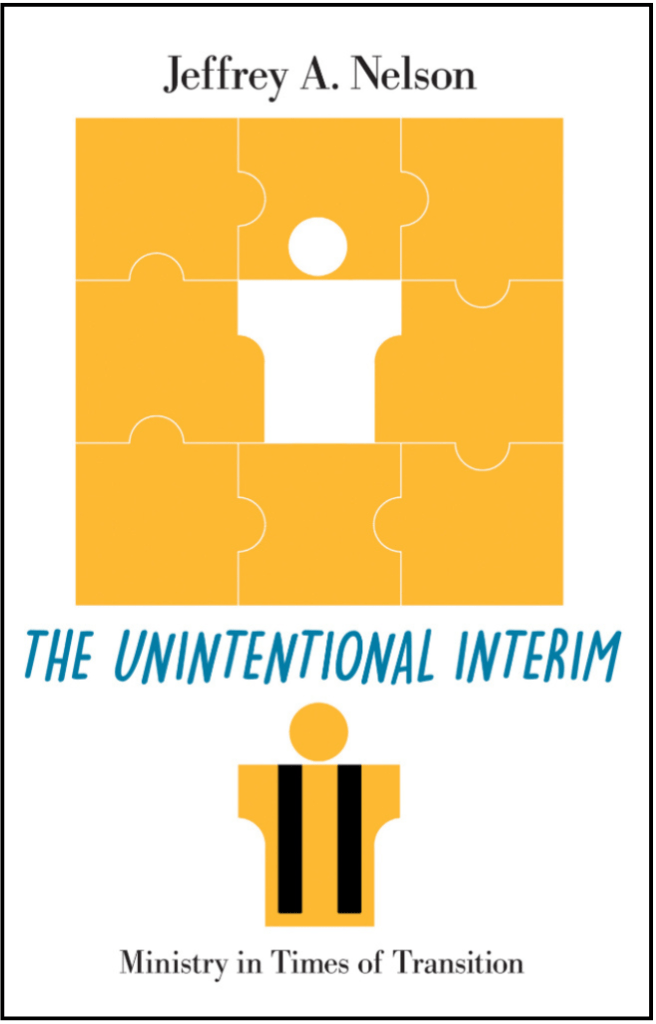
Below is an excerpt from my new book, The Unintentional Interim: Ministry in Times of Transition:
When each new season of the year arrives, we have ways of marking its official beginning. The beginning of autumn, for instance, occurs on a day we know to be the autumnal equinox, measured by when the sun will be directly over the equator.4 This happens during the third week of September, although the particular date varies from year to year. Nevertheless, we can point to our calendars and tell ourselves and others when the first day of fall will be. We use similar methods to name official dates for the other seasons of the year as well.
While many may give credence to this process that combines astronomy with chronological measurement, they may at the same time simply refer to the beginning of September as the start of autumn. September through November tend to be known as “the fall months” in the Northern Hemi- sphere, regardless of when the equinox comes. It serves as an easier refer- ence point than positioning the tongue to say “September 22 through December 21,” even if it may be technically accurate. The third factor may be what meteorological happenings we are used to when we think of certain months. While it is still technically autumn for a majority of December, we tend to associate the entire month with winter due to the cold and snow that we typically begin experiencing with its arrival.
Official times and dates help us make sense of the world. They help us keep deadlines and organize our lives and those of our families. We can name the time on a particular day when we have a meeting, or a day on the calendar when we’re set to go on a trip. We use our methods of time meas- urement not only to mark upcoming events, but to remember past eventsas well, such as birthdays, anniversaries, and other pieces of our histories most significant to us.
In his book Four Thousand Weeks, Oliver Burkeman notes that the way we measure time and seasons today would have seemed strange to past civilizations. Medieval farmers, for instance, would not have had much use for our modern ways of marking time. A typical farmer in those days would have woken up with the sun and turned in for the night at dusk. They would have planted seeds when the conditions were right and likewise harvested their crops months later. It was time to plant seeds when it was time to plant seeds, and it was time to harvest when it was time to harvest. It was time to milk cows when the cows needed milking. Their days were oriented around tasks rather than appointments, and they did those tasks when it seemed best to do so rather than when a clock or calendar told them it was.
Even if we have official dates for when they begin, each season comes on much more gradually, with signs of the new season appearing before the sanctioned marker of its arrival. As mentioned, we may associate either the first of December or the winter solstice with the beginning of winter, but the first snowfall may come as early as Thanksgiving weekend, if not before. While we may say that September 1 or the autumnal equinox is the begin- ning of fall, we may begin to notice the angle of the sun shifting in mid- or late August, with the earliest changes to the leaves appearing as well. Much like with our medieval farmer, the seasons come and go on their own time and don’t abide by our dating system.
This applies to seasons of our lives as well. For certain shifts that we experience, we may be able to point to a date when we made some formal change relating to them. However, like the sun in mid-August or snow in late November, signs of that change came prior to it. A minister may mark their last day of ministry with a church on a particular date on the calendar, but the shifts that helped move the minister to that point began much earlier, and in such subtle ways that they may not have noticed at first. The beginnings of a minister contemplating a vocational change could have happened when a church program didn’t go very well or during a particularly difficult conversation with a member, but the minister might not be able to name that until long after the fact.
Likewise, a church can point to a hard date when a program, practice, or ministerial tenure ended. As Bridges and Bridges observe, that may be the official ending, but the ending will continue for a while afterward as individuals and the congregation move through the neutral zone of recogniz- ing, processing, grieving, and accepting this ending. This time of ending is more of a season than a hard and fast day and time. It began before people realized it, and it will continue for a while even after the church has made its formal farewell to it.
As unpredictable as seasons of the year can be, these life seasons can be even more so. At least with the former, we can rely a little more on the cyclical rhythms of the year to anticipate when the next season might begin. Life seasons, however, have less of a rhythm by which we may be able to measure when they may conclude. Causes and catalysts are much more unique and personal to us, going by our own abilities, intentions, emotions, and understandings.
A congregation grieving an ending may be able to do so in the span of a few months. Another congregation grieving that same sort of ending may take longer. And the first congregation grieving a different sort of ending may take longer, while the second may be able to move on from that sort of ending more quickly.
It is not for the minister to decide how long a season of transition will last for a congregation. Like a medieval farmer, they will need to pay attention to the conditions present and till the soil accordingly to help them prepare to cultivate something new.
The Unintentional Interim: Ministry in Times of Transition is available on Amazon, Barnes and Noble, and The Pilgrim Press website.
 Jeffrey A. Nelson