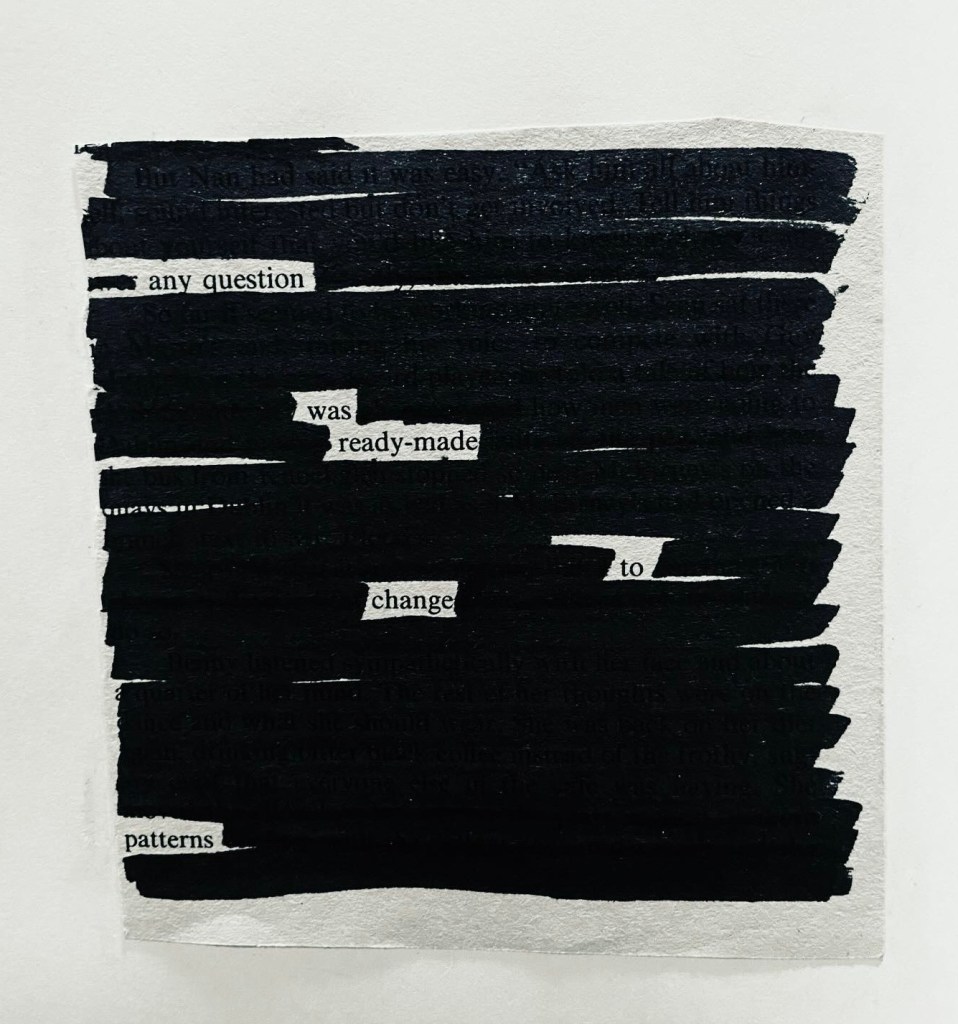
In my college years, I was part of an evangelical-leaning group that made use of a small booklet titled the Four Spiritual Laws. A few members of the leadership team swore by this tract as a tool for “witnessing” to non-Christians, the basic approach being to walk them through the tenets it contained and then lead them through a prayer on the last page.
During one team meeting, one of the proponents of this tactic sought to demonstrate how to use it, with me as the witnessee.
I took the approach that I was encountering this material for the first time, and reacted accordingly. I sought clarification, I asked questions, and I approached the logic with curiosity but also a natural skepticism.
About halfway through, my demonstration partner became frustrated enough to stop the exercise, saying that “this isn’t usually how this goes.”
I had no concept of how it was supposed to go. I just asked what came to mind. That’s all it took for the preferred pattern to unravel. To this day, I can’t fathom how often an interaction ever followed the script the way the users of this resource wanted.
The more questions one asks, the more an established pattern may be shifted in a new direction. Ask about why an institution or group does what it does and thinks how it thinks, and if anyone seriously and intentionally considers the answers, you have even the slightest potential for a shift to begin.
Unfortunately, such organizations may only entertain questioning for so long. Questions can be disruptive for the status quo or the bottom line. They can pose a threat to those in power, and empower those without. People with a vested interest in the current patterns may eventually shut questions down.
That’s part of the reason sources of knowledge such as teachers, universities, public schools, and libraries are under such heavy assault these days. The more hampered spaces that inspire questions become, the fewer may be asked of those who like patterns the way that they are, or want them to shift more in their favor rather than away.
Some patterns need changing. So let’s keep questioning them.
 Jeffrey A. Nelson